Most watches tell the time. A select few tell a story. The new Montblanc Star Legacy Nicolas Rieussec Chronograph 43mm Limited Edition does something rarer still: it paints the story directly onto the dial, in sepia browns and rose gold, and then hands you the pen. Limited to 821 pieces — a cheeky nod to the year 1821 — it is one of the most narrative-driven releases of the season, and, unexpectedly, one of the most wearable.
The day the chronograph was born
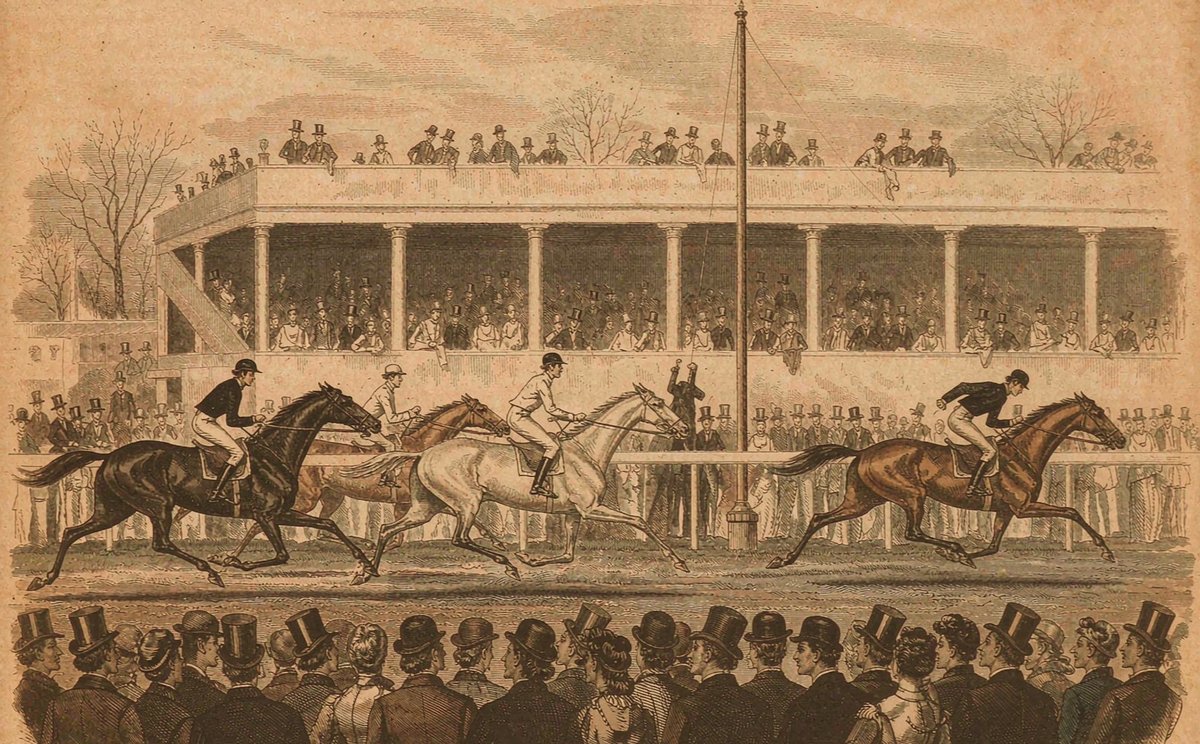
On September 1, 1821, at the Champ-de-Mars racetrack in Paris, a watchmaker named Nicolas Rieussec stood trackside with a curious contraption. As the horses thundered past the finish line, a fixed nib dropped tiny beads of ink onto two rotating enamelled counters — one sweeping 60 seconds, the other 30 minutes — marking the precise moment each horse crossed. The device worked, the crowd took note, and the French Academy of Sciences later recognized Rieussec as the inventor of the “inking chronograph.” The word itself comes from the Greek chronos (time) and graphos (to write): a writer of time. Every chronograph sold today owes its name to that afternoon.
The dial is the story
Montblanc has illustrated that origin story with unusual conviction. The brown-toned dial carries a 19th-century style depiction of four jockeys and their horses crossing the finish line at the Champ-de-Mars, rendered where the counters leave room for it. Around the flange, luminescent French inscriptions frame the scene: “Chronographe Nicolas Rieussec” above, “Academie des Sciences de Paris” below. Rose-gold-coated Arabic numerals, leaf hands, and a lozenge-shaped chronograph bridge pick up the warm tones, while white minute and chronograph scales keep the layout legible.
The famous Rieussec display is intact: two domed brown discs with 60-second and 30-minute scales rotate under a double-tapered bridge tipped with a luminous pip, so elapsed time reads like an ink mark travelling over paper. There is practicality threaded through the poetry, too — a brown skeletonized 12-hour GMT hand for a second time zone, a day/night aperture at 9 o’clock, and a framed date window at 6.
Styling a statement piece
Let’s talk about wearing it, because at 43mm across, 51mm lug to lug, and 15.01mm thick, this is not a watch that hides under a cuff — and it shouldn’t. The golden-brown palette is genuinely versatile in a way silver-dial chronographs are not. The cognac and chocolate tones sit naturally beside gold jewelry, leather-strapped bags, and autumn tailoring in camel, cream, or forest green. If you coordinate a bracelet stack or a signet ring with your watch, this dial does half the work for you.
The brown calf strap is a design object in its own right. Montblanc’s artistic director Marco Tomasetta shaped it with a pointed tip inspired by the maison’s pen nibs, and the lining carries a printed map of Paris as it looked in 1821. It is the kind of detail that rewards the owner every time the clasp is opened — the watchmaker’s equivalent of a hidden signature inside a jacket.
For the collector’s shortlist
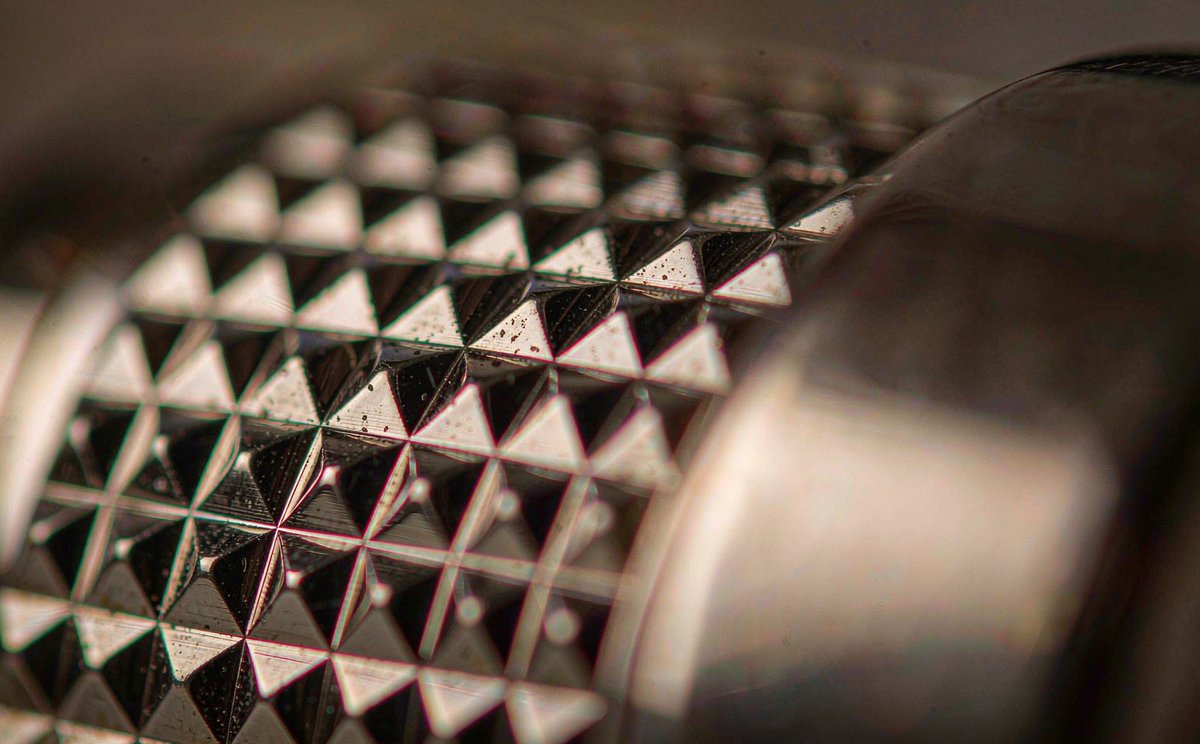
Under the polished 316L steel case, with its six-screw sapphire back, beats the in-house MB R200: an automatic monopusher chronograph with a column wheel and vertical clutch, running at 4 Hz with a 72-hour power reserve from twin barrels connected in series. It comprises 319 components and 40 jewels, and each example is certified by the Montblanc Laboratory Test 500. The rotor carries a Clous de Paris motif inspired by the geometry of Paris’s cobbled streets, alongside Cotes de Geneve, blued screws, and polished bevels — finishing that invites the caseback-first photography collectors love.
Timing matters for gift-season shoppers, too. A numbered edition tied to a story this specific is the kind of watch that arrives with a conversation built in — the strap’s hidden 1821 map of Paris alone is a detail worth a candlelit explanation. With the holidays approaching, the 821-piece run gives buyers a natural deadline, and pieces tied to a single year’s narrative have historically held collector interest better than open production lines at this level.
At €9,200, US$9,800, or CHF 7,900 for 821 numbered pieces, the Rieussec occupies a sweet spot: haute horlogerie storytelling without a five-figure entry barrier. Is it theatrical? Absolutely. But as conversation starters go, few watches can claim to be wearing the birth certificate of their own complication. That is not just a story you can wear — it is a story worth retelling.