Updated July 2026 — The luxury watch secondary market has entered a new phase. After the speculative frenzy of 2021–2022 and the subsequent 30–40% correction, 2026 presents what many analysts call the most rational buying environment in half a decade. Prices have stabilized, bid-ask spreads have compressed, and transaction volumes have returned to healthy pre-pandemic levels.
This guide combines real-time secondary market data from LuxMetrix, auction results from the record-breaking Geneva Watch Week (May 2026), and macroeconomic context to deliver the most comprehensive watch investment analysis available. Whether you are a first-time buyer or a seasoned collector, the data tells a clear story: fundamentals are back, hype is out.
Market Overview: The State of Luxury Watches in 2026
The global luxury watch market was valued at USD 50.17 billion in 2025 and is projected to reach USD 80.95 billion by 2035, growing at a CAGR of 4.90% [1]. But the secondary market — where actual investment returns are realized — tells a more nuanced story.
The LuxMetrix index, which tracks 18 references across Rolex, Patek Philippe, Audemars Piguet, and Omega using real-time data from Chrono24 marketplace listings and Phillips/Sotheby’s auction results, shows an average 30-day change of -0.8% across all tracked references — essentially flat. This stability is the headline: the era of 20% monthly swings is over [2].
As LuxMetrix notes: “This is not a bear market. It is a fundamentals-driven market. Watches are trading based on genuine collector demand, supply scarcity, and brand desirability — not on social media hype or speculative momentum.”
Geneva Watch Week 2026: $155 Million Verdict
The May 2026 Geneva auctions confirmed a decisive trend: K-shaped bifurcation. Trophy-tier scarcity pieces continue to set records, while the regular secondary market trades flat. Phillips alone set the all-time watch auction record at CHF 74.8 million ($96.3 million) with a 99.6% sell-through rate. Combined with Christie’s ($42.3M) and Sotheby’s, the week totaled approximately $155 million across 50+ world records [3].
Key auction results:
- 1953 Patek Philippe Ref. 2523 “South America” cloisonné enamel world time: CHF 7.96M (~$10.2M) — only the second Patek Philippe to break $10 million at auction
- Akrivia AK-06 stainless steel (Rexhep Rexhepi): ~CHF 3M ($3.9M) — independent watchmaker world record, 4x above high estimate
- Patek Philippe Sky Moon Tourbillon Ref. 6002G-010: ~$4.2M
- Cartier Crash London 1990: $2.03M — Cartier’s most expensive timepiece ever
- Rolex Daytona Paul Newman JPS Ref. 6241: $1.5M — John Player Special world record
- A. Lange & Söhne Grande Complication 1916: CHF 1.59M ($2.06M) — Lange brand record
Meanwhile, the regular secondary market — Submariners, standard Daytonas, non-celebrity-provenance Nautiluses — barely moved 0.1% in May. The message from Geneva is unambiguous: the trophy tier and the regular market are now two separate asset classes.
Brand Performance: Who Is Winning in 2026
Based on LuxMetrix index data as of July 2026:
| Brand | Avg Fair Value | 30-Day Change | Market Position |
|---|---|---|---|
| Cartier | $8,250 | +2.8% | Strongest performer; Santos medium leading |
| Tudor | $3,510 | +1.9% | Black Bay 58 driving demand |
| Patek Philippe | $114,661 | -7.6% | Nautilus 5711 correction dragging avg |
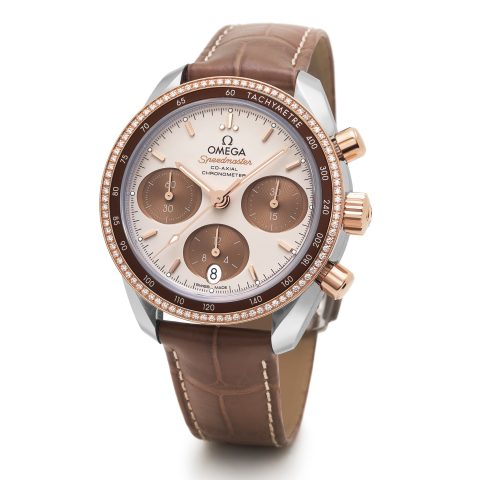
| Omega | $5,866 | +0.4% | Speedmaster near retail; stable floor |
| Rolex | $27,895 | -0.1% | Volume leader; near-flat across 10 refs |
| Audemars Piguet | $43,926 | +0.1% | Royal Oak 15500ST holding firm |
Key insight: Cartier’s outperformance (+2.8%) reflects a broader market rotation toward accessible luxury. Tudor’s +1.9% confirms that the sub-$5,000 segment is attracting buyers priced out of Rolex. Patek Philippe’s -7.6% is almost entirely driven by the Nautilus 5711/1A correction (-17% in 30 days), not weakness across the brand.
Top 10 Most Collectible Watches for 2026
Based on LuxMetrix’s real-time pricing engine — which weights auction sold prices at 60% and marketplace asks at 40% — here are the 10 watches the data supports as the strongest investments in 2026 [4].
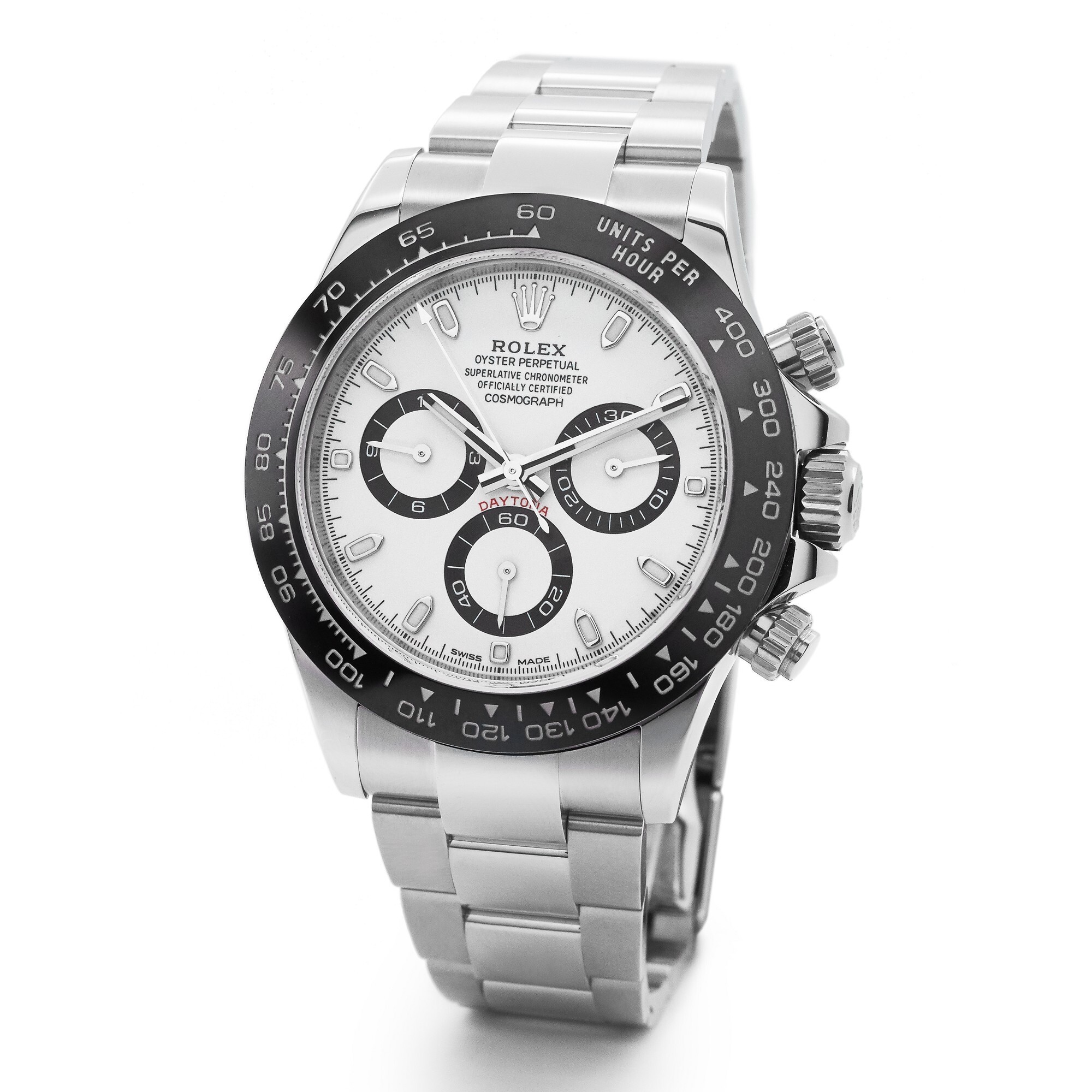
1. Rolex Daytona 116500LN
Fair Market Value: $29,000 – $33,000
Key Data Point: Trades at ~2x retail ($15,100); 60+ active Chrono24 listings at any time — highest liquidity score in the LuxMetrix index.
The ceramic-bezel Daytona remains the benchmark luxury sports chronograph. Its investment case is stability: while flashier references have seen volatile swings, the 116500LN has settled into a predictable trading range with deep liquidity. More Daytonas change hands daily than most luxury references see in a month.
2. Patek Philippe Nautilus 5711/1A
Fair Market Value: $95,000 – $140,000
Key Data Point: Trades at 6-8x original retail; discontinued in 2021, supply permanently contracting.
Discontinued references with strong brand backing tend to appreciate over time. Every 5711/1A that enters a private collection reduces the available float. Despite the recent -17% correction, the long-term supply-demand math favors holders. The replacement 5811/1G in white gold at nearly double the retail price only intensified demand for the original steel reference.
3. Audemars Piguet Royal Oak 15500ST
Fair Market Value: $35,000 – $48,000
Key Data Point: Strong source diversity — consistent pricing across marketplace listings and auction results.
The Royal Oak invented the luxury steel sports watch category in 1972. The 15500ST — the 41mm automatic in stainless steel — is Gerald Genta’s modern expression of that vision. Secondary premiums have compressed from 2022 highs, making current prices more sustainable and less exposed to further downside. AP’s brand strength continues to grow among younger collectors who view the Royal Oak as a Nautilus peer.
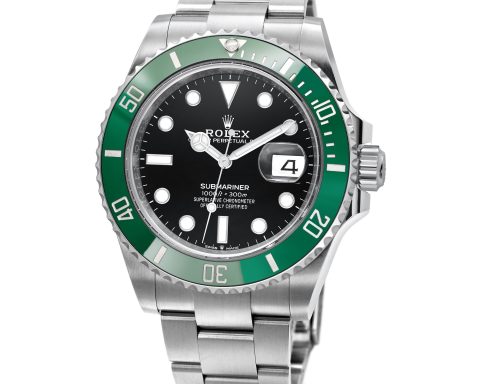
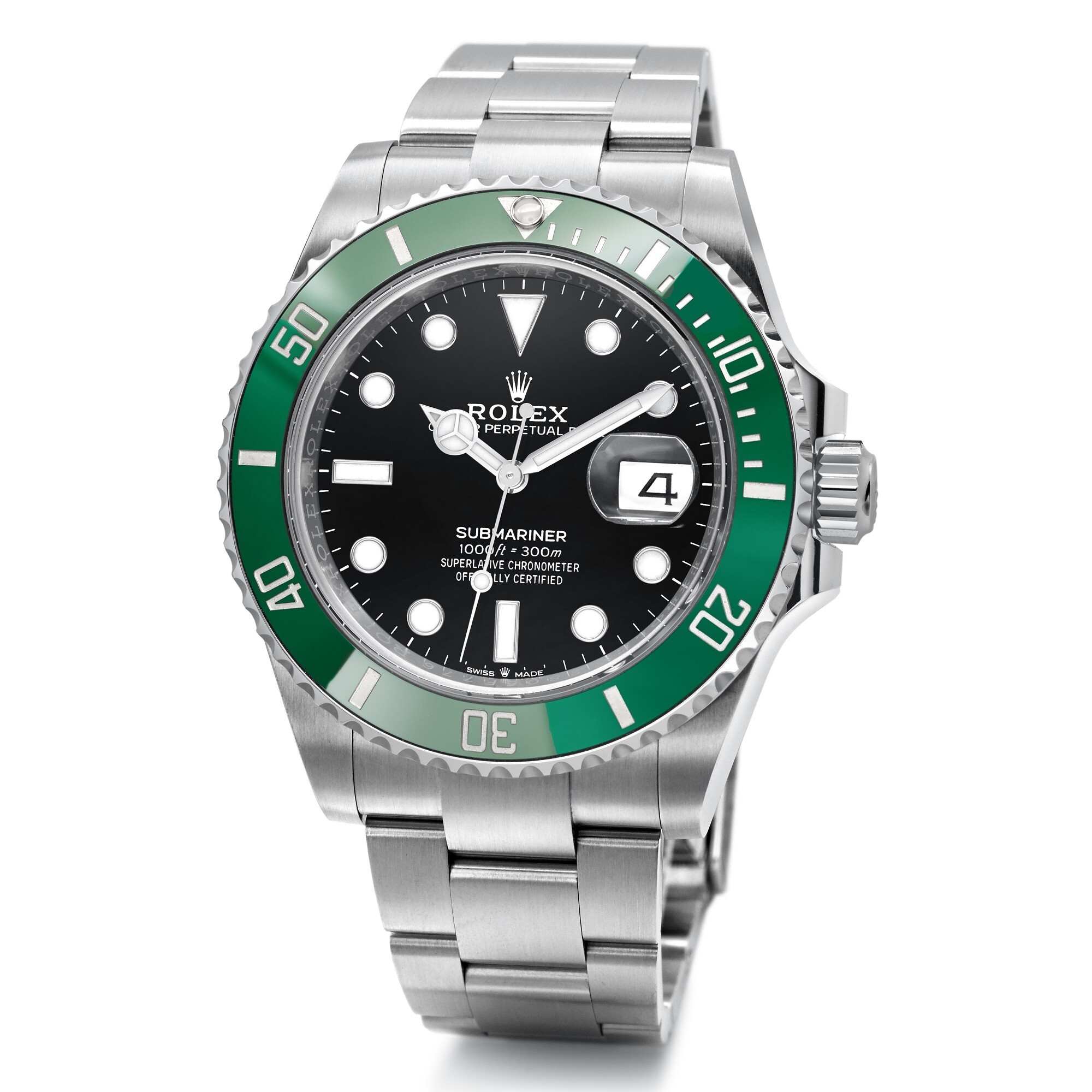
4. Rolex Submariner Date 126610LN
Fair Market Value: $12,500 – $16,000
Key Data Point: Tightest ask-to-sold spread of any Rolex in the index — exceptional liquidity.
The Submariner’s investment case is not explosive appreciation — it is near-zero depreciation. Wear a Sub daily for five years and sell it for approximately what you paid. The 126610LN features Rolex’s caliber 3235 movement in a 41mm case. As the most recognized dive watch in history, it benefits from universal demand and the deepest buyer pool in the market.
5. Rolex GMT-Master II 126710BLRO (“Pepsi”)
Fair Market Value: $19,000 – $26,000
Key Data Point: Auction results consistently land within computed fair value range — efficiently priced.
The red and blue “Pepsi” bezel GMT is arguably the most iconic color combination in watchmaking. The Jubilee bracelet variant has become the preferred configuration among collectors. The GMT-Master II serves a genuine function — dual time zone display — that creates durable, utility-driven demand that pure dress watches cannot match.
6. Rolex GMT-Master II 126710BLNR (“Batman”)
Fair Market Value: $17,000 – $22,000
Key Data Point: One of the strongest 30-day trend lines in the Rolex index — steady appreciation, low volatility.
The black and blue “Batman” is the more understated sibling to the Pepsi. It works with virtually any wardrobe, translating to higher wrist time and stronger emotional attachment — which means longer holding periods and tighter supply. At current prices, it offers a lower entry point than the Pepsi with comparable brand recognition.
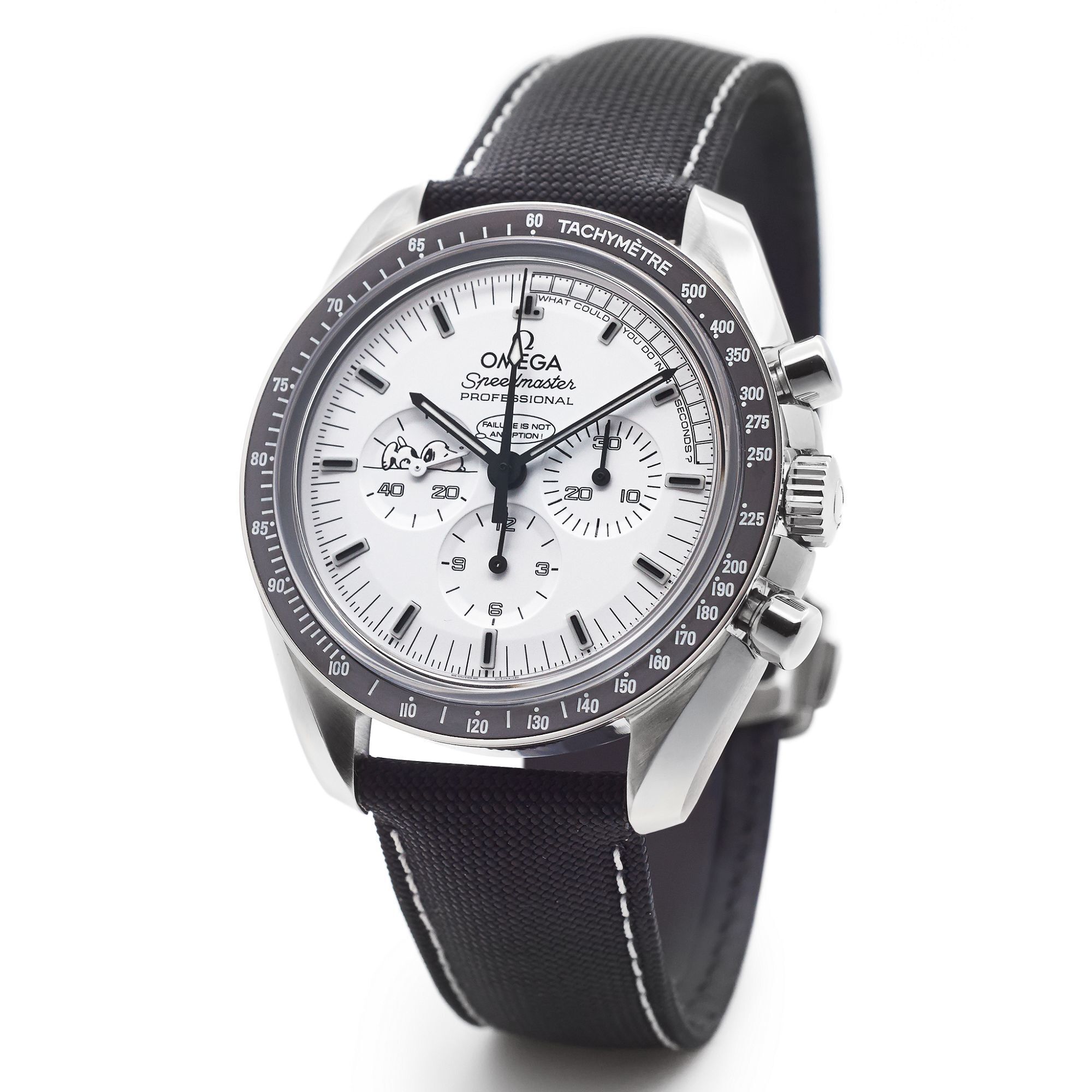
7. Omega Speedmaster Professional 310.30.42.50.01.001
Fair Market Value: $5,000 – $8,000
Key Data Point: Trades near or slightly above retail — the market considers it fairly priced. Rare in luxury watches.
The Moonwatch is the most historically significant chronograph ever made. Omega’s caliber 3861 version offers modern movement technology in the same case design that went to the moon. At $5,300 retail and $5,000-$8,000 secondary, it is virtually depreciation-proof — the floor is established by decades of collector demand and heritage that cannot be manufactured.
8. Patek Philippe Aquanaut 5167A
Fair Market Value: $32,000 – $45,000
Key Data Point: Healthy ratio of auction sold prices to marketplace asks — actual transactions track close to list prices.
The Aquanaut is the Nautilus’s younger, sportier sibling. Its tropical rubber strap and rounded octagonal case appeal to collectors who want Patek quality without the formality. As Patek shifts focus to newer Aquanaut variations, the 5167A may follow the 5711 playbook: discontinued production leading to gradual supply contraction and appreciation.
9. Rolex Explorer 124270
Fair Market Value: $8,500 – $11,000
Key Data Point: Lowest volatility score of any Rolex in the index — prices barely moved during the broader correction.
The 36mm Explorer is the stealth pick. No ceramic bezel, no flashy colors — just a perfectly executed tool watch that Rolex has been refining since 1953. As the market matures beyond hype-driven purchases, references with genuine heritage and timeless design tend to outperform. The Explorer’s stable collector base makes it the least volatile Rolex investment.
10. Rolex Datejust 41 126334
Fair Market Value: $10,000 – $14,000
Key Data Point: Highest transaction volume of any reference in the database — statistically the most robust valuation.
The fluted-bezel Datejust 41 on a Jubilee bracelet is arguably the most versatile luxury watch ever made. At current secondary prices near or below retail, it offers genuine value. Production is higher than sport models, which keeps prices accessible — but the sheer breadth of demand from first-time buyers to seasoned collectors creates deep, reliable liquidity.
What Makes a Watch a Good Investment?
Not every expensive watch holds its value. The data reveals four traits shared by every reference on this list:
- Brand Strength: Rolex, Patek Philippe, and Audemars Piguet account for the vast majority of secondary market transaction volume. Their brands carry weight that translates directly to resale demand.
- Supply Constraint: Whether through discontinued production (5711/1A) or tightly controlled output (Daytona), limited supply is the single most important driver of secondary market premiums.
- Liquidity: A watch is only worth what someone will pay for it. The references above have active, deep secondary markets with consistent daily transaction volume.
- Heritage: Watches with decades of history maintain demand across market cycles. Trends fade; heritage endures.
2026 Trends to Watch
- Institutional Entry: Funds, family offices, and alternative asset platforms are treating luxury watches as a legitimate asset class. This brings deeper pockets but also more sophisticated analysis — compressing premiums toward fair value.
- Independent Watchmaker Trophy-ization: Akrivia’s $3.9M result and F.P. Journe’s 6 world records in a single auction confirm that trophy-tier bidding has expanded beyond the Big Three to contemporary independents.
- US Tariff Impact: The 15% US tariff on Swiss watch imports makes American retail prices 30-40% higher than pre-2024 levels — potentially redirecting US buyer demand to the secondary market.
- Transparency Demand: Buyers increasingly expect data-driven pricing. The era of “trust me” dealer pricing is fading. Platforms providing transparent market data are gaining traction.
- Rolex Production Expansion: New manufacturing facilities in Bulle and Plan-les-Ouates could eventually ease supply constraints — but Rolex has historically expanded gradually, avoiding the kind of supply shock that would collapse premiums overnight.
Should You Buy a Luxury Watch in 2026?
The answer depends on your goal:
If you are buying to wear and enjoy: 2026 is arguably a better time than 2021-2022. Prices are more rational, selection is better, and you are far less likely to overpay. The market has returned to fundamentals — buy the watch you love, and the value retention will likely follow.
If you are buying purely as an investment: Understand that the easy gains of the bubble era are over. Future returns will be modest and will require patience. Focus on the four criteria above (brand, supply, liquidity, heritage) and avoid chasing limited editions or social media trends. The data suggests the smartest approach is dollar-cost averaging into blue-chip references — particularly those trading near retail, where downside is naturally limited.
Bottom Line
The luxury watch market in 2026 rewards patience and research over impulse and hype. The correction has separated real assets from speculation, and the Geneva auctions confirmed that genuine scarcity — whether historical (Patek 2523), horological (Akrivia AK-06), or design-driven (Cartier Crash) — commands premium pricing regardless of macro conditions.
For the rest of the market — the Daytonas, Submariners, and Royal Oaks that actual collectors wear — stability is the new normal. And stability, in an asset class once defined by boom-and-bust cycles, is the most bullish signal of all.
Sources: Expert Market Research (2026), LuxMetrix Watch Market Index (July 2026), Borro Geneva Watch Week Verdict (May 2026), LuxMetrix Investment Guide (March 2026). All prices in USD unless otherwise noted. Market data reflects secondary market conditions as of July 2026 and may vary by geography, condition, and completeness of original box and papers.
Explore More
Discover our latest coverage of the most coveted timepieces and investment-grade watches in our Watch and Sports Watches categories.
Hostinger discount1
hositnger discount 2